


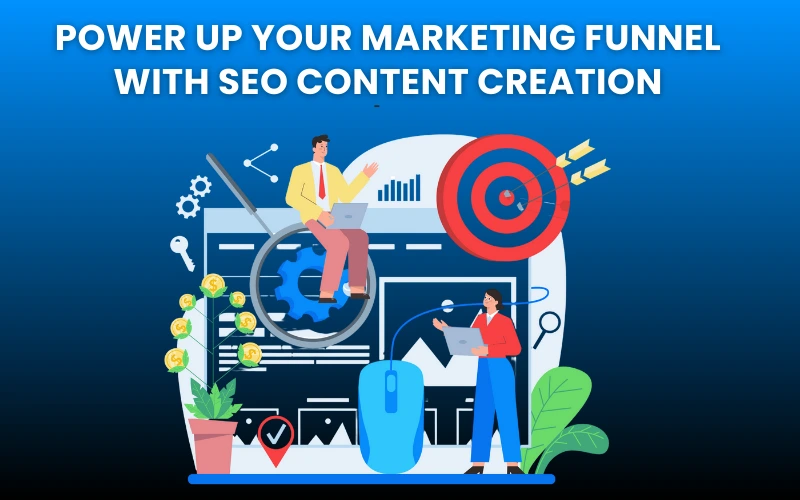
A marketing funnel that truly converts begins with visibility and ends with credibility. Every piece of content must have intent, authority, and direction.
SEO content creation is a building funnel that captures attention, earns trust, and converts intent into revenue. When strategy meets search intelligence, content stops being noise and becomes a performance asset.
Let’s see how the right content approach can move prospects smoothly from discovery to decision.
Why does SEO-focused Content Matter?
Two shifts make targeted SEO content development essential today:
- Search remains the primary discovery channel for purchase intent. In fact, over 68% of online journeys start with a search engine.
- AI accelerates content production and measurement. AI tools are transforming businesses’ research, creating, and optimizing content. But while automation increases volume, it also raises the competition for attention.
Search engines now reward relevance, depth, & authority. Leveraging content marketing services helps brands attract qualified traffic and nurture leads efficiently.
High-Impact Marketing Funnel with SEO Content Pillars
Think of SEO content creation in three practical pillars that map to funnel stages:
Top of funnel (Awareness)
Here, businesses want to be discovered. People are searching for problems to solve, questions to answer. Create research-led long-form content guides and topical clusters that match high-volume informational queries. These assets target high-intent keywords and answer the immediate questions users have. TOFU content expands reach and fills the pipeline with qualified leads.
Building credible social proof is also key; utilizing a dedicated tool like Google review management software can automate the collection and management of authentic customer testimonials, directly feeding into this evaluation process.
Middle of funnel (Consideration)
At this stage, your prospect knows their problem and is exploring solutions. Develop comparison pages, case studies, and interactive tools to help prospects evaluate solutions. Use internal linking and clear content pathways guiding users from TOFU resources to MOFU assets. This preserves SEO value while advancing prospects toward conversion.
Bottom of funnel (Decision)
Here, the content is geared to get the commitment. BOFU content includes optimized product/service pages, pricing guides, ROI calculators, and client testimonials. These pages must be tightly aligned with commercial intent keywords. Make these pages fast, mobile-ready, and instrumented for conversion tracking.
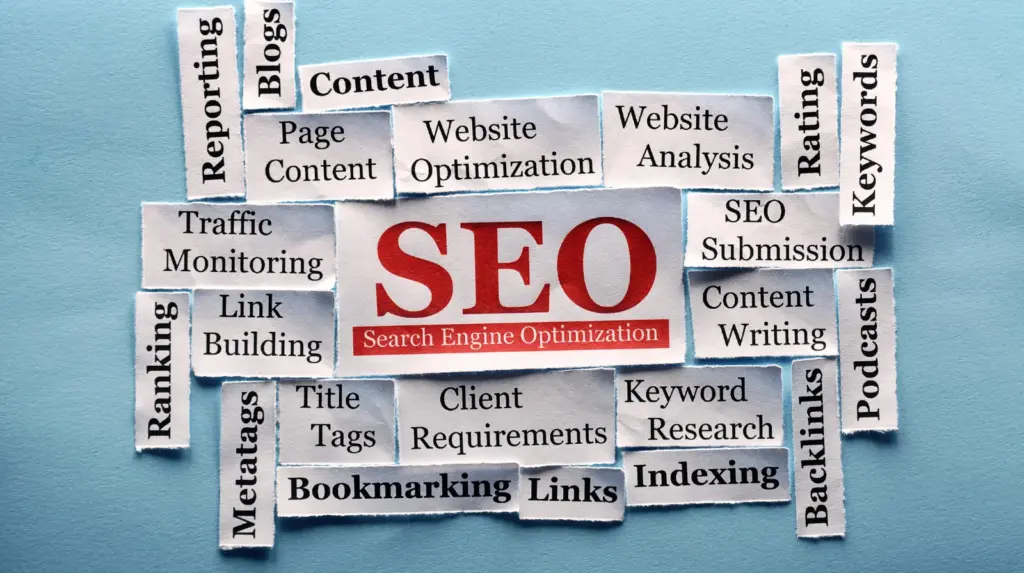
Actionable SEO Content Strategies to Accelerate Your Marketing Funnel Performance
Here’s how to strengthen your marketing funnel optimization with content:
1. Align Content with Intent, Not Just Keywords
Search intent has become the real differentiator in organic visibility. Successful brands build SEO content strategies that mirror audience intent. Informational articles educate prospects, comparison pages nurture them, and optimized service pages convert them. This intent-first approach ensures every piece of content works in harmony.
2. Build Authority Through Topic Clusters and Pillar Pages
Google now favors structured content ecosystems. High-performing websites create pillar pages supported by related, in-depth cluster content. This interconnected structure boosts topical authority, keeps visitors engaged longer, and builds trust naturally.
3. Prioritize Quality, Credibility, and Experience
Following Google’s updates, the market is rewarding depth over volume. Content that demonstrates expertise, credibility, and real experience consistently outperforms generic information. The case studies and data-backed insights signal authenticity, which algorithms and audiences both values.
4. Blend SEO with Conversion Strategy
SEO isn’t just about traffic, it’s about qualified leads. High-ranking pages are built with compelling CTAs, value-driven messaging, and clear pathways to action. Combining SEO with CRO (Conversion Rate Optimization) turns search visibility directly into sales performance.
5. Use AI for Precision, Not Just Production
AI has transformed how content is researched, created, and optimized. The difference lies in how it’s used. Teams leverage AI for insights, audience analysis, topic ideation, and performance forecasting. This balance ensures that content remains authentic while scaling efficiently.
Many teams also experiment with advanced AI Long-Form Content Tools to streamline in-depth content production without compromising strategic oversight.
6. Diversify Formats to Match Evolving Consumption Habits
Audiences no longer rely on text alone. Video, podcasts, and interactive tools have become integral parts of the SEO ecosystem, with many brands now choosing to create AI videos to engage users more effectively. By 2026, digital video content is projected to account for more than 60% of the total daily screen time among U.S. adults.
SEO content now extends beyond written words, it’s about delivering information in the medium your audience prefers.
7. Refresh, Repurpose, and Reinvest in What Works
The market is moving fast. Content that ranked last year may be outdated today. Regularly update high-potential pages with new insights, merge thin articles, and remove outdated content. Refreshing keeps rankings stable and reduces internal competition for the same queries.
Moreover, repurpose high-performing blogs into videos or infographics, and reinvest in formats that deliver tangible ROI. This approach sustains visibility and ensures consistency in performance.
Measurement: What to Track?
Track funnel-relevant KPIs, not vanity metrics. Examples:
- TOFU: organic impressions, non-branded search traffic, time on page, returning visitors.
- MOFU: content-assisted conversions, leads from content pages, email sign-ups.
- BOFU: organic conversion rate, lead-to-customer rate, lifetime value of SEO-acquired customers.
Conclusion
Building a strong marketing funnel involves creating the right content with purpose and a clear content strategy. Content with search intent across TOFU, MOFU, and BOFU stages guides audiences seamlessly through the funnel. Targeted content marketing becomes a performance asset that fuels the entire funnel. A well-structured funnel ensures every interaction brings prospects closer to conversion.
Take your content from discovery to decision. Contact our experts today to optimize your SEO content strategy for maximum impact.


